आप क्या ढूंढ रहे हैं?
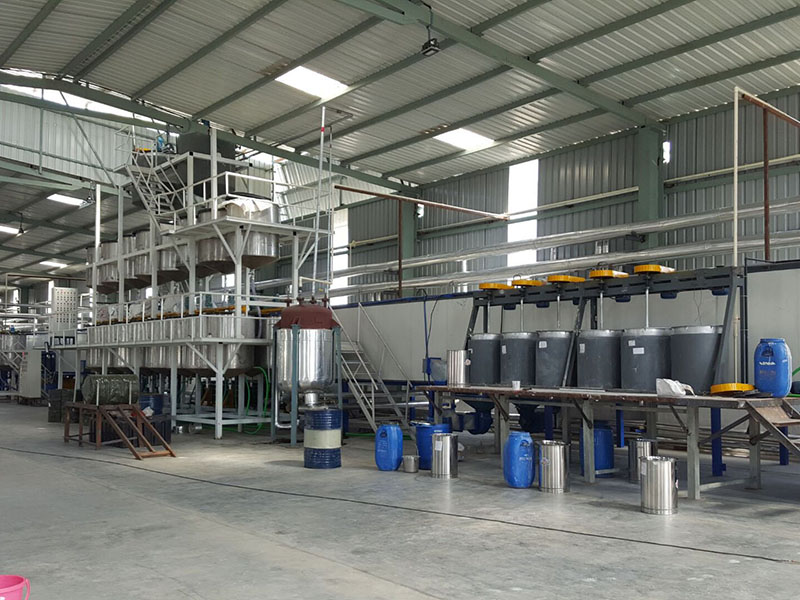
When buyers ask how latex balloons are really made, the short answer is dipping. The balloon dipping process is the core step that turns liquid natural latex into a thin, elastic skin. Stainless steel or porcelain molds are first cleaned and preheated, then dipped into a coagulant solution so the latex can grip the mold evenly. After that, the same molds pass through the latex tank, where a controlled film builds up on the surface. This single step decides wall thickness, stretch, and how the balloon behaves after inflation, which is why serious factories treat the balloon machine as the heart of the whole operation.
Once the molds leave the latex tank, the wet film moves through several connected stages instead of standing alone. The latex is partially dried, then rolled at the neck to form the bead—the little ring you use to tie the balloon. After beading, the molds go through leaching with warm water to wash away excess coagulant and proteins, followed by vulcanization in a controlled oven. Heat cross-links the rubber polymers, giving the balloon its strength and bounce. A well-tuned latex balloon production line keeps temperature, speed, and mold angle consistent so every piece comes out with the same feel.
Final part of the dipping cycle is stripping, washing, drying, and finishing. Cured balloons are released from the molds with water jets or air, tumbled to remove residue, then coated with anti-tack powder so they do not stick together. From there, the balloons can move to counting, quality checks, and packaging. If a factory also wants custom designs, a balloon printing machine can be added downstream to apply logos, patterns, or seasonal graphics without slowing the main line.
For a new manufacturer, understanding this process matters because equipment quality shows up in the final product. Uneven dipping leads to thin spots, poor beading causes leaks, and unstable curing makes balloons brittle. That is why many startups move from a single unit to a complete latex balloon making machine system once order volumes grow. A synchronized line removes most of the manual guesswork and keeps hourly output predictable, which is exactly what distributors and private-label buyers expect.
At Anhui Tianyuan Latex Technology Co., Ltd., we build equipment around this full dipping cycle rather than isolated machines. The Anhui Tianyuan latex balloon production line integrates coagulant dipping, latex dipping, drying, beading, vulcanization, washing, stripping, and optional printing into one continuous workflow. Our TY-QQ series is engineered for stable film control and high first-pass yield, with models sized for different workshops and capacity targets.
In the end, balloon dipping is not just “dipping a mold in rubber.” It is a tightly controlled sequence where chemistry, heat, and mechanics meet. If you are planning to set up or upgrade a factory, choose a line that treats dipping as a complete system—not a single station. With the right Anhui Tianyuan latex balloon production line, you get consistent wall thickness, better elasticity, and the kind of repeatable quality that keeps overseas buyers coming back.
Discover a range of high-performance balloon production machines meticulously engineered to meet the diverse needs of our clients. From balloon printing and shaping to efficient inflation and packaging, our machinery is designed to enhance production efficiency and product quality.
Experience the future of balloon assembly with our advanced production lines. Our assembly lines are crafted to optimize your production, ensuring seamless operation, increased output, and consistent balloon quality. With customizable features and precision engineering, we offer solutions tailored to your specific requirements.
FAQ
1.Q: How much does the product cost?
A: We quote the price according to the customer's demands,different specifications of the production line price is different.
2.Q: How long does it take to make the machine?
A: 3 months.
 +8613956331698
 anhuitianyuan@yeah.net
 Anhui Tianyuan latex Technology Co., Ltd


 Sep. 29, 2026
 Sep. 22, 2026
 Jun. 18, 2026


